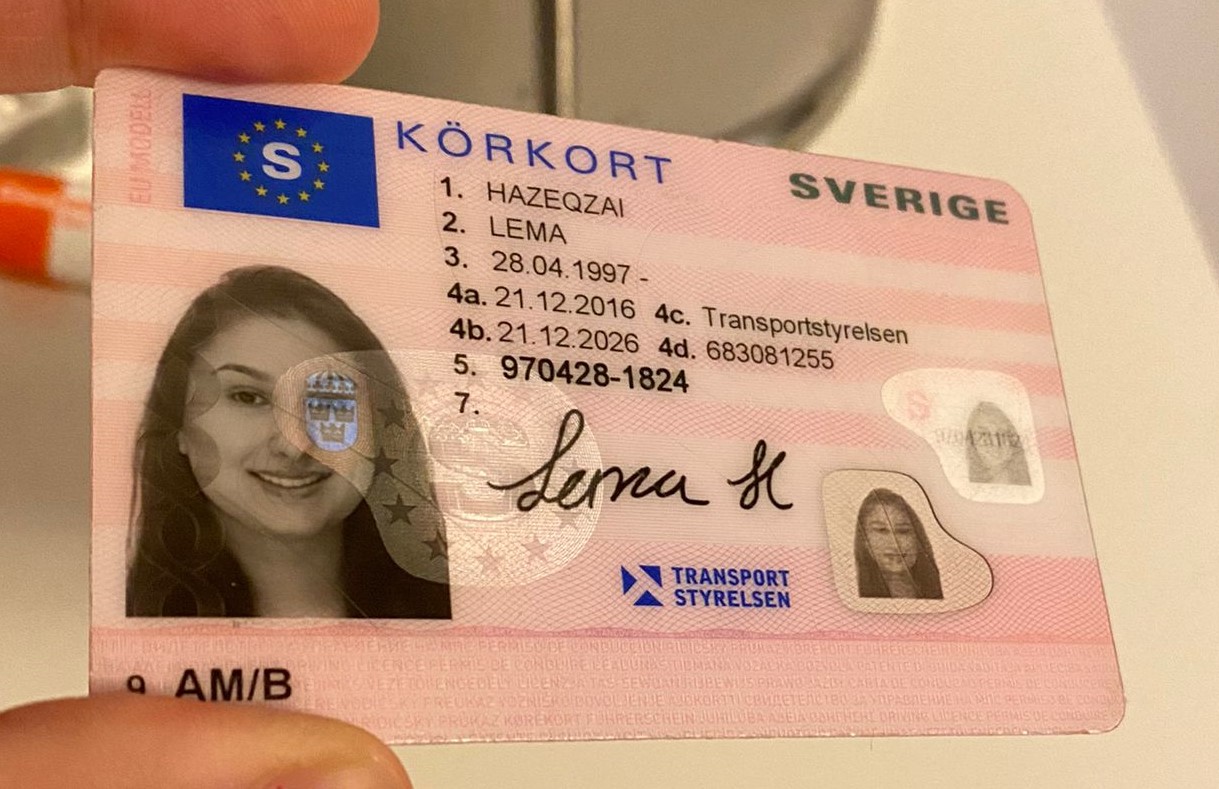
Buying a Driving License in Sweden: An In-Depth Guide
Acquiring a driving license in Sweden is often considered as an initiation rite for numerous people. Nevertheless, due to various situations, some might ponder the dishonest path of purchasing a driving license rather of following the guidelines developed by the authorities. This short article intends to illuminate the driving license acquisition procedure in Sweden, the legalities involved, and the dangers tied to illicit purchases.
Understanding the Swedish Driving License System
Before diving into the subject of purchasing a driving license, it is necessary to comprehend the legality and structure of the driving license system in Sweden. The Swedish Transport Agency (Transportstyrelsen) manages the issuance of driving licenses, ensuring that chauffeurs fulfill the needed requirements, both virtually and in theory.
Kinds Of Driving Licenses in Sweden
- Category B: This is the most common license, allowing people to drive automobiles and vans.
- Category A: For driving motorbikes.
- Category C: For driving larger automobiles like trucks.
- Classification D: For driving buses.
Minimum Requirements
To get a Category B driving license, candidates typically must satisfy the list below requirements:
- Age: Minimum age of 18 years.
- Medical Examination: A standard health check must be finished.
- Theory Exam: A written test covering road traffic policies, indications, and safe driving practices.
- Practical Driving Test: A driving assessment performed by a certified inspector.
Steps to Legally Acquire a Driving License in Sweden
Obtaining a driving license in Sweden includes numerous structured steps:
- Enrolling in Driving School: It is recommended to register at a certified driving school. They use both theoretical and useful training.
- Medical exam: Schedule a medical check-up to guarantee compliance with health standards needed for drivers.
- Finishing a Theory Course: Attend classes that cover crucial concepts of roadway security and Swedish traffic laws.
- Taking the Theory Test: Once prepared, candidates can sit for the theory exam. A passing rating is necessary to continue.
- Driving Practice: Engage in supervised driving practice to construct self-confidence and abilities.
- Practical Driving Test: After adequate practice, candidates will take the driving test.
- Application for the License: Upon passing both exams, prospects can officially make an application for their driving license through the Swedish Transport Agency.
Threats and Consequences of Buying a Driving License
While the idea of purchasing a driving license may sound appealing for those who wish to bypass the lengthy treatments, it comes with significant risks and effects. Here are some important points to think about:
Legal Penalties
- Criminal Charges: Purchasing a license is thought about fraud and can result in serious legal consequences, including hefty fines and jail time.
- License Revocation: If captured, individuals might have their licenses revoked permanently.
Security Concerns
- Lack of Knowledge: Individuals who purchase a license most likely lack the essential knowledge and abilities needed for safe driving, presenting dangers to themselves and others.
- Insurance Issues: An unlawfully acquired license can nullify insurance protection, causing financial problems in case of accidents.
Consequences on Future Opportunities
- Work: Many companies perform background checks. A deceptive driving license can threaten job opportunities, particularly in transportation-related fields.
- Travel Limitations: A void license can lead to problems when navigating other nations, specifically those acknowledging the Swedish driving license.
Legal Alternatives to Purchasing a Driving License
Rather of considering the purchase of a license, individuals should check out various legitimate options readily available:
- Accelerated Driving Courses: Many driving schools provide extensive courses that condense training into a much shorter timeframe.
- Online Theory Classes: There are options for online theory courses, making the initial step more accessible.
- Flexibility in Testing: The driving test can typically be scheduled at versatile times, permitting students to pick timings that match their lifestyle.
Frequently Asked Questions (FAQs)
Q1: Can I drive in Sweden with a foreign driving license?Yes, visitors can drive
in Sweden with a valid foreign driving license for as much as 12 months. However, it's suggested to have an International Driving Permit( IDP )for translation of your license. Q2: How long does it take to get a driving license inSweden?The timeline can differ based on specific readiness, however it generally takes a couple of months to complete the needed theory and practical training, plus passing the exams. Q3: What is the expense of obtaining a driving license in Sweden?The overall expenses can vary widely based on driving school charges, the
number of driving lessons taken, and assessment charges. Typically, it can range from 15,000 to 30,000 SEK. Q4: Can I utilize automatic lorries for the license test?Yes, if Sverige Express Kort use an automatic automobile for the driving test, your license will just allow you to drive automated cars. To drive manual automobiles,
candidates must take an extra test. Action Description Expense(Approx.)Enlist in Driving School Initial registration and payment 500 -1500 SEK Theory Course Lessons about road safety 2000-7000 SEK Medical ExaminationBasic health check 500 SEKTheory Exam Composed test charge 300-500 SEKPractical Training Per hourlessons with an instructor 600 - 1200 SEKPractical ExamFee for the driving test 800-1200 SEKTotal Estimated Cost ~ 15,000-30,000 SEK Getting a driving license in Sweden isa process thatrequires adherenceto legal procedures created to make sure the security and skillsof chauffeurs. While the temptation to buy a license may appear hassle-free, the threatsand ramifications farexceed any viewed advantages. Individuals are highly encouraged topursue legitimate opportunities to protect their driving credentials, guaranteeing not only their safety but that of others on the roadway.